

Written by Bianca Robinson, Head of Agency, Pattern
Anticipation is mounting for TikTok Shop’s entry into Australia. Retailers, marketers and consumers are all speculating when the platform will launch and how it will disrupt the market. Brands are already pre-emptively preparing, and for good reason.
TikTok Shop’s US debut in September 2023 proved how quickly the platform can reshape the retail landscape, scaling to be one of the country’s biggest marketplaces in under a year. In fact, it’s already challenging the likes of Temu and eBay as the second most popular marketplace behind Amazon. For Australian brands, the takeaway is that early movers on TikTok Shop will have an advantage from day one.
From scrolling to shopping
TikTok has already built an enormous base in Australia. More than 8.5 million people use the app each month, representing nearly 40% of the population. Better yet, the average user is clocking around 90 minutes a day on the app – more than Facebook, Instagram or YouTube.
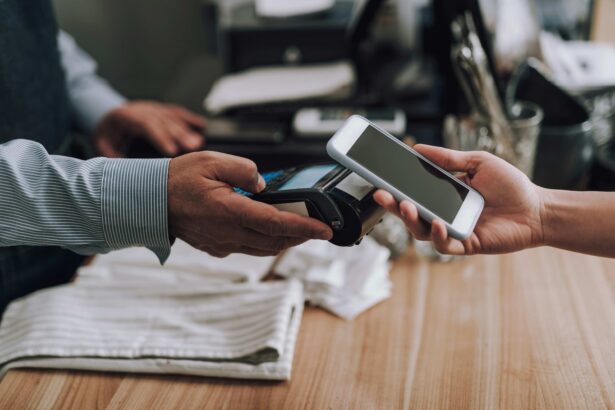
What makes TikTok Shop so successful is that it takes TikTok’s core strength, entertaining content, and flips it into a direct path to purchase. On TikTok Shop, discovery, persuasion, and purchase happen in the same flow. Shoppers don’t start with intent, as previously done on Google or Amazon. Instead, they can stumble upon products while watching content. A creator’s endorsement sparks interest and provides credibility, and a tap on the link completes the sale instantly within the app.
In the US, uptake has been dramatic. Three-quarters of TikTok users have already bought something through TikTok Shop, and daily engagement has jumped to two hours per person. No other platform matches TikTok Shop’s ability to turn engagement into instant commerce. It’s important to note, not every shopper will complete the purchase in-app. TikTok remains a powerful awareness and acquisition channel, prompting many consumers to enter a consideration phase, researching the brand and converting later via Amazon or a D2C site. We’ve seen TikTok Shop activity drive incremental lift beyond the app itself, demonstrating a clear halo effect across channels.
The rise of affiliate-led creators
Unlike traditional influencer marketing that leans on a few big names, TikTok Shop mobilises a broad base of creators who earn when their videos convert. The result is content at scale that feeds the beast – an algorithm that rewards constant raw and real content over occasional, big-budget, polished campaign content.
One US brand saw 88,000 videos created about its products in a single month. This content was not produced in-house, but by a vast network of affiliate creators driven by sales commission. While the figures are eye-catching, what they really show is a shift in power. Rather than depending on a few high-profile influencers, brands can now tap into a crowd of everyday creators whose authentic, relatable content connects with niche audiences. Better yet, this model doesn’t need to break the bank. You can seed product, brief creators clearly, use trackable links, and pay commission only when content converts, delivering content and sales outcomes at the same time.
For Australian retailers, achieving this same success on TikTok Shop requires a shift in mindset. The message can’t be too tightly controlled, and not every video will look polished. What matters is watchability and authenticity, which is exactly what TikTok’s engine rewards. A casual at-home review from an unknown creator can just as easily go viral and generate thousands in sales. It’s commerce in its most democratic form, giving newcomers the same chance to break through as established brands.
The logistics hurdle
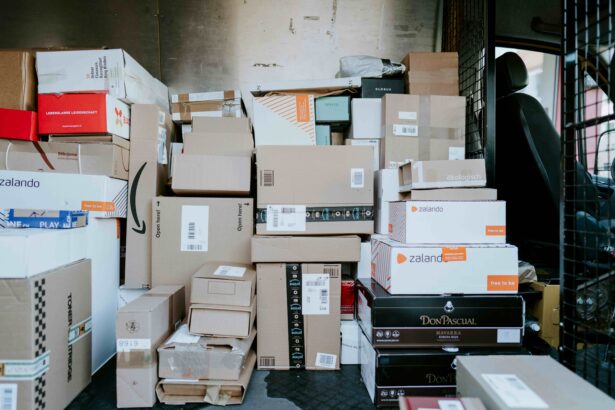
The US experience also shows that content is only half the battle. Fulfillment can make or break a brand’s TikTok Shop success. Top creators can see exactly how much stock a business has available. If they think a product will sell out too quickly, they may simply choose not to promote it. That makes inventory visibility and fulfilment speed critical.
In the US, brands can use TikTok’s own fulfillment service, ship from their own warehouses or partner with intermediaries like Pattern, which buys inventory and handles logistics. Australian retailers without direct-to-consumer infrastructure will need to solve this challenge before launch. Falling short on fulfilment doesn’t only disappoint buyers but it signals unreliability to creators who have plenty of other brands competing for their attention.
Preparing for the inevitable
So, what should Australian retailers be doing now? The first step is simply to start experimenting on the platform. Brands that are engaging with TikTok today are learning which creative hooks capture attention, which product categories spark conversation, and how audiences respond to different offers. This knowledge will be invaluable when TikTok Shop arrives. Another advantage of starting now is operational readiness. Building an affiliate creator program early develops the muscle memory your team will need later, including creator sourcing, product seeding, briefing and offer setup, link and commission tracking, and basic attribution. This ensures you’re execution-ready the moment TikTok Shop goes live.
Brands should also start building a network of creators sooner rather than later. Affiliate creators aren’t quite the same as influencers, while influencers focus on brand awareness and storytelling, affiliates are rewarded for driving measurable actions like clicks and sales. Cultivating those relationships early will prevent brands from having to build a network from scratch. The advantage of affiliate creators is that they can deliver content volume and authenticity at scale. The challenge is managing and incentivising them effectively, something most brands will need partners or platforms to help coordinate.
Brands looking to prepare now can begin this outreach through influencer platforms like Pattern Creators, which enable connections with affiliate creators before TikTok Shop is live. When the marketplace launches, those creators will already be active, and brands that build these relationships early will have networks ready to activate from day one.
More than another channel
What TikTok Shop represents is a structural shift in the way consumers shop. It takes the endless scroll and turns it into a point of sale, all within a platform that already captures more of Australians’ time than any of its counterparts.
The US has shown that adoption can be fast and unforgiving. Retailers who hesitated were quickly outpaced by those who had already built creator networks, tested content formats and solved fulfilment. The same will be true in Australia and the time to start preparing is now.