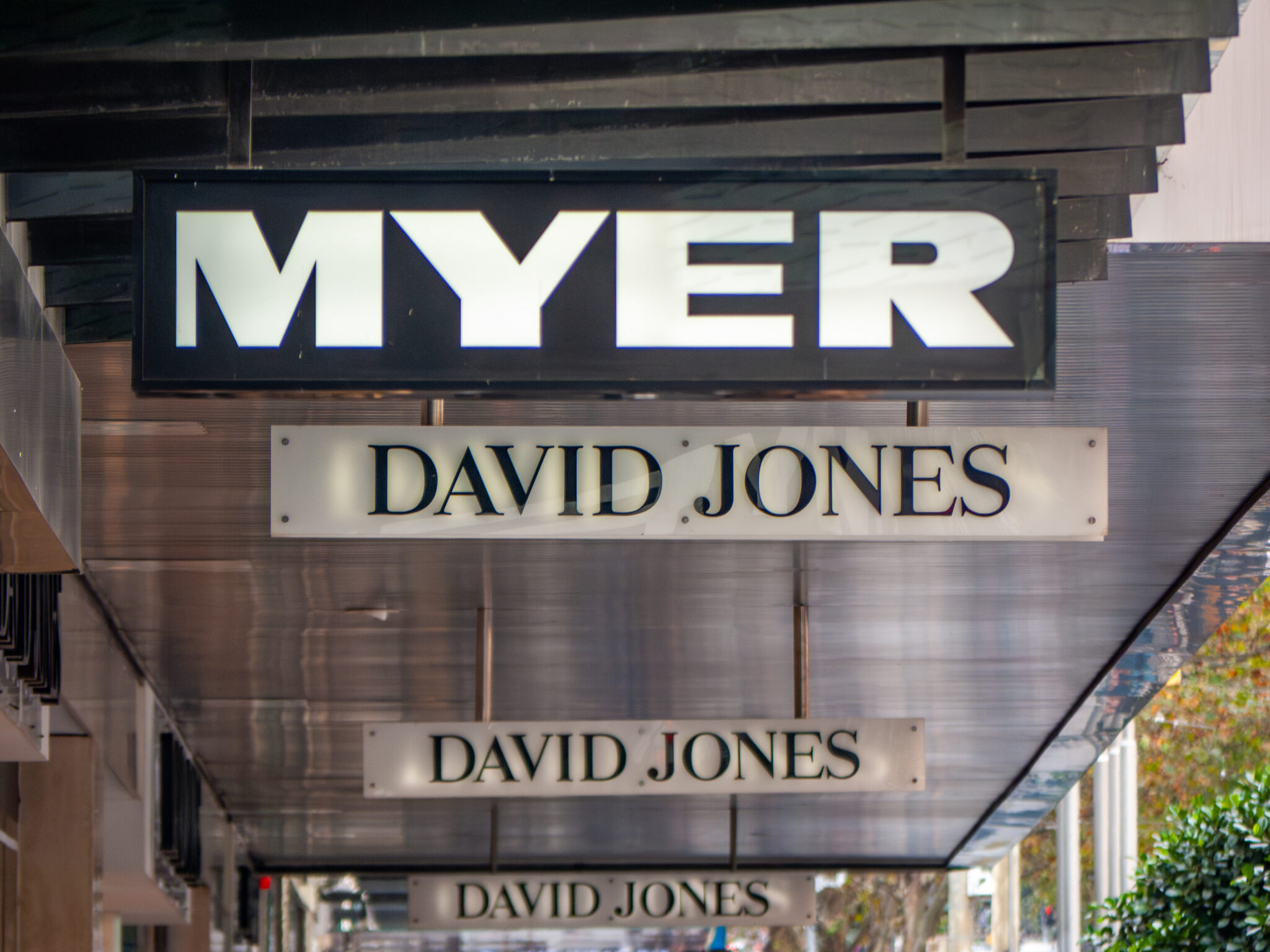
David Jones has entered voluntary administration and receivership, with potential store closures and growing uncertainty for suppliers and retail workers just weeks before the Black Friday and Christmas shopping periods.
The 188-year-old department store chain entered administration on Thursday, 5 November, following unsuccessful negotiations with major landlords over rental arrangements and its store network.
McGrathNicol has been appointed as voluntary administrator, while FTI Consulting will oversee operations as receivers and managers.
David Jones’ 38 stores and online business will continue trading while the company undergoes a review, although the future of several locations remains uncertain.
The retailer employs approximately 6,000 people across its operations and concession businesses, with potential closures placing jobs and supplier relationships at risk.
Store closures and supplier uncertainty
The collapse follows a prolonged period of financial pressure for David Jones, which has struggled with rising operating costs, changing shopping habits and an extensive store network.
Negotiations with Scentre Group, which operates Westfield shopping centres, broke down after the retailer sought more favourable leasing arrangements. Scentre confirmed that David Jones had not paid rent since September, affecting its position across 17 Westfield locations.
The administration is expected to result in a review of underperforming stores as receivers consider options to reduce costs and secure the retailer’s future.
The uncertainty has already affected brands selling through David Jones, with reports of luxury labels including Gucci, Oroton and Scanlan Theodore removing stock from stores following the announcement.
Some suppliers have also reported months of delayed payments and outstanding invoices.
According to ABC News, Sydney-based accessories brand Beysis experienced increasing payment delays during 2026, with invoices that were previously settled within 14 days extending beyond 30 days.
The situation highlights the financial risks facing smaller brands that rely on major department stores for sales, customer exposure and distribution.
For brands operating concession spaces, the administration also raises questions about stock ownership, staffing and whether they will continue trading through David Jones.
What happens next for David Jones?
Despite the administration, David Jones will continue trading as receivers assess options for restructuring, recapitalisation or a potential sale.
Chief executive Erica Berchtold said the retailer had a plan to reset the business for the future, while acknowledging its longstanding place in Australian retail.
The timing presents an additional challenge, with retailers preparing for the Black Friday and Christmas shopping periods.
Consumers have also expressed concerns about outstanding gift cards and purchases, with shoppers reportedly visiting stores to redeem vouchers following the announcement.
Beyond the immediate financial difficulties, David Jones’ collapse raises broader questions about the future of traditional department stores in Australia.
The retailer has faced increasing competition from online shopping platforms, specialist retailers and luxury brands operating their own stores and digital channels.
As receivers review the business, the challenge will be determining whether a smaller store network, revised supplier arrangements and a more sustainable operating model can restore its position in Australia’s increasingly competitive retail market.