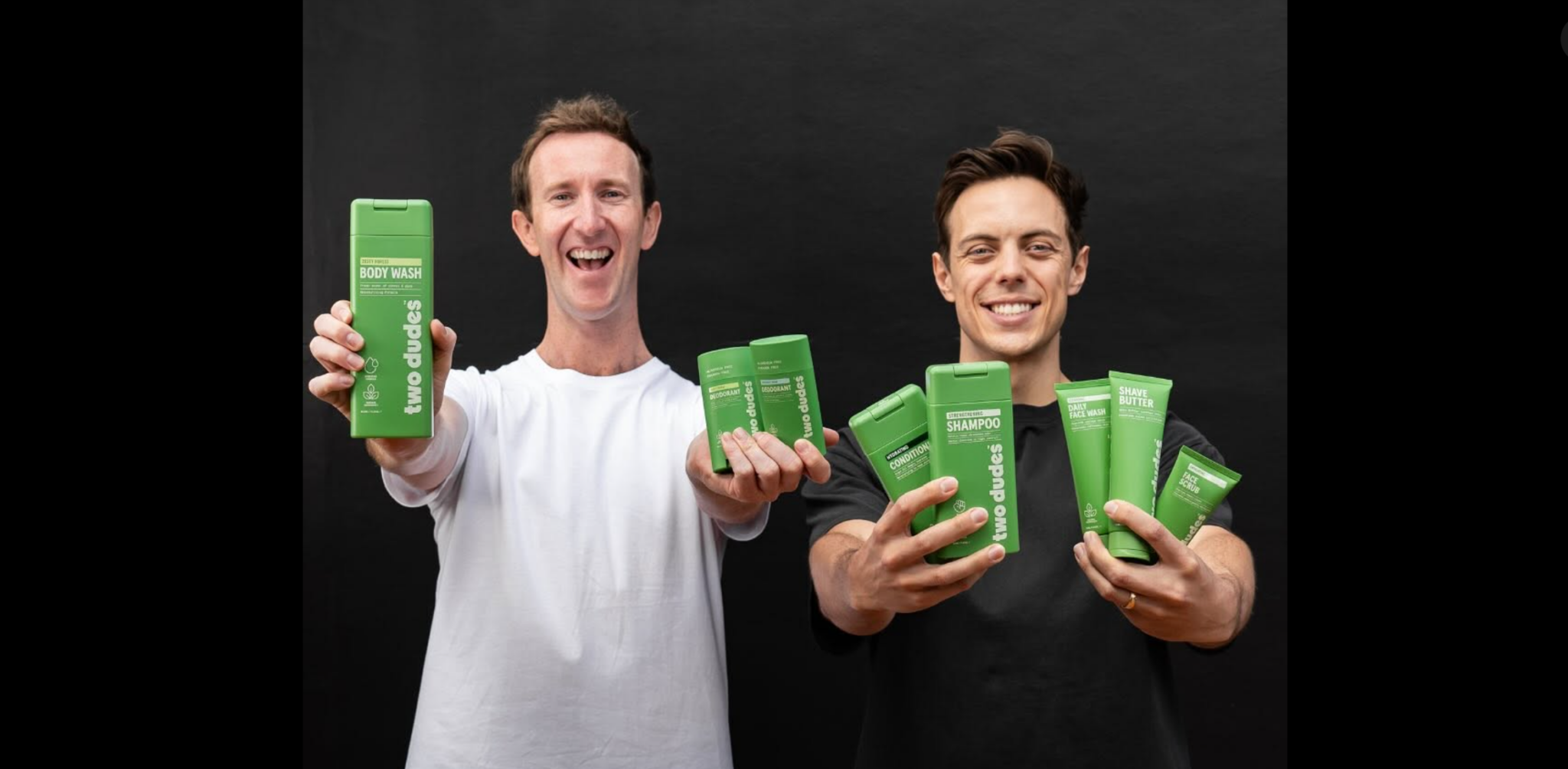
By Tomas Tappin, Co-Founder, Two Dudes
There’s a thin line between building a product made for men, by men, and building something that sounds like it came out of a group chat nobody wants to be in.
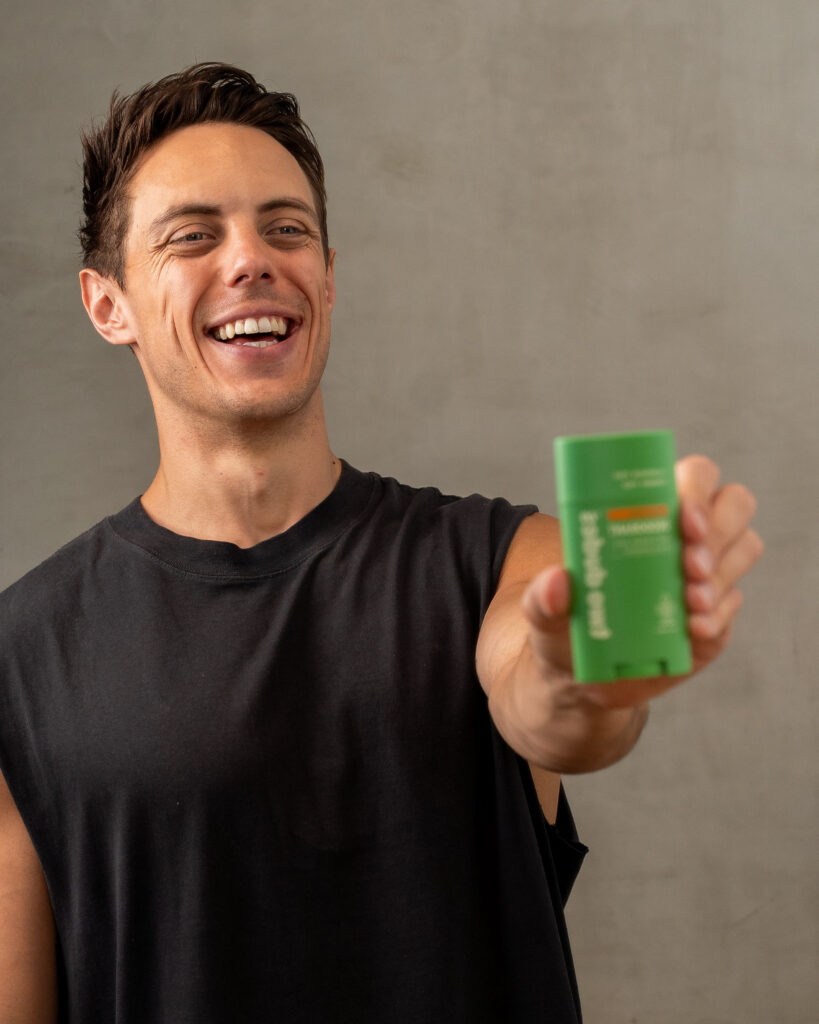
It’s harder to get right than it looks. You are trying to speak to a broad male market without sounding generic, without sounding too blokey, and without being quietly condescending. Miss on any of those and you lose people fast.
The modern man is a wide spectrum. In Australia, despite the tough-guy cliche, the range of men buying grooming products is enormous, and they are nothing like each other.
The answer is not “speak their language”
When we started Two Dudes, we assumed the job was to work out how men talk and then mimic it, but it’s not. Trying to sound like every man is the fastest way to sound like no one.
What works is finding the thing every man can actually relate to: health, happiness, looking good, feeling good, and being part of something that is not just about you. That is a much wider door than “here is a product for blokes.”
That was the basis of Two Dudes – a garage start-up making natural grooming products for men, by men, with men’s health at the front of it. That’s what got us from a garage into mainstream retail across New Zealand and Australia.
A cause is not a marketing line
When there’s a genuine story and a cause behind a men’s brand, it stops being just a product on a shelf.
But it only works if you actually do the thing.
For us that means 10% of profits go directly to men’s mental health charities. It means fundraisers and brand collaborations that donate straight through. And it means talking honestly about the state of men’s health in Australia and New Zealand. Not for clout, but because we have both watched what happens when men don’t talk about it.
The uncomfortable truth is that men are far less likely to ask for help than women, and the outcomes reflect that. If a grooming brand can be one more small nudge in the other direction, that is worth doing properly.
Inclusive is not soft. It is commercially smarter.
There’s a demographic of men who respond to very stereotypical branding, but there’s also several demographics who don’t. Increasingly, they won’t just ignore a brand that gets it wrong, they’ll actively voice its shortcomings.
Modern consumers, especially Gen Z, are sharp about the brands they buy into. They can smell a brand pretending to care from a long way off.
We thought about this a lot when building Two Dudes. There are colours that lean one way and not the other. There are narratives that pull in one part of the male community while pushing another part out. So we kept it simple: green as a neutral brand colour, a brand open to all shapes and types of men, and messaging that does not require you to be a particular kind of bloke to feel welcome.
We haven’t always got it right. We’ve pulled ads we thought were funny at the time and were not. That’s just part of it, you find the line by occasionally standing on the wrong side of it, then consciously moving away from it.
There has never been a better time to build for men
Women’s retail has been scaling for years and doing it well. The men’s section has been left behind, and that’s a genuine gap for start-ups and new brands.
Build something real, back it with a cause you actually believe in, and make it welcoming to every kind of dude; not because it’s a nice thing to do, but because it opens a bigger market up to have more impact.