
By Stephanie Lacorcia, co-founder & creative director, COCO HIT
Nobody tells you that pregnancy will turn you into the world’s harshest beverage critic.
In the months I was pregnant with our second child, I developed an almost obsessive need for something cold, flavourful and clean. Not soft drink or juice, and not another plain coconut water that tasted like the inside of a can; something bold and refreshing that I actually wanted to drink, and without the ingredients I was trying to avoid.
I went through everything on the market and I kept coming back to the same conclusion: the product I was looking for didn’t exist.
At the time I filed that observation away as a personal frustration. It took a while to recognise it for what it actually was – a gap in the market that nobody had yet filled.
The market research people don’t charge for
The product itself didn’t come from a trend report, market analysis, or FMCG playbook. It started with a pregnant woman looking for a coconut water with no nasties and a flavour worth finishing the can for.
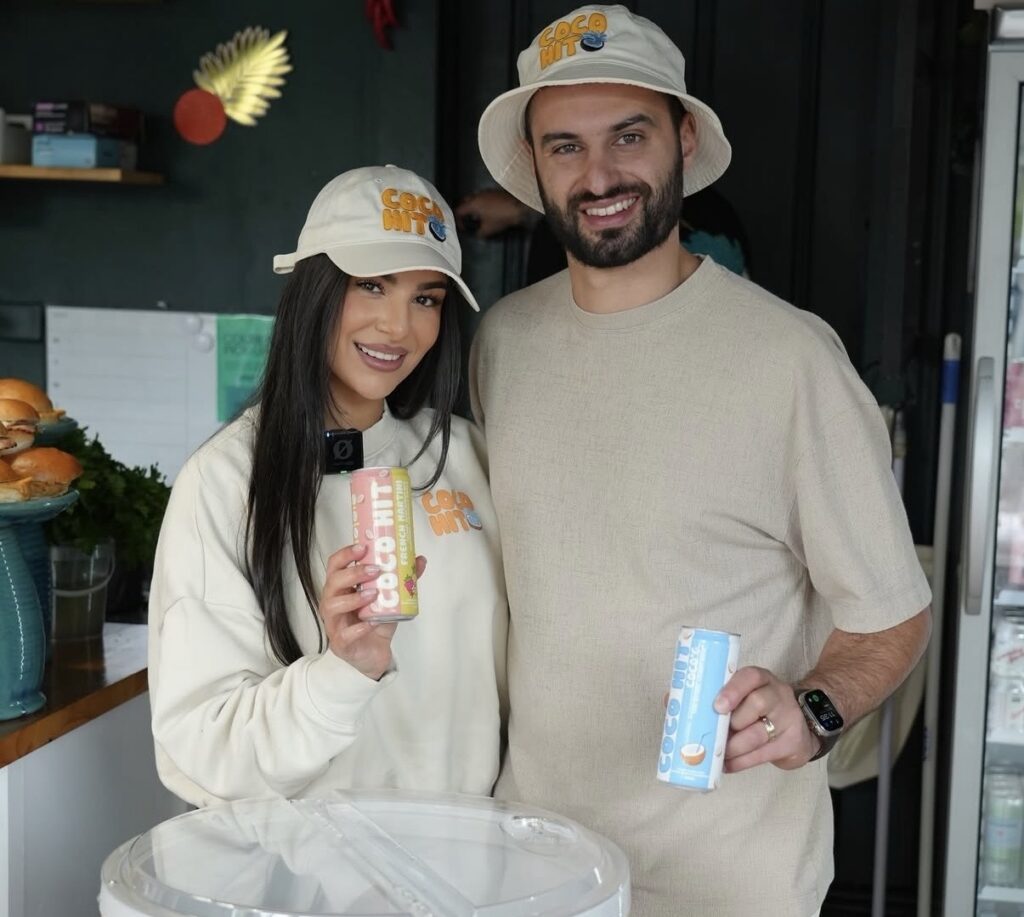
When I brought the idea to my husband Aaron – a civil engineer with a sharp commercial mind, and stronger operational instincts than he’ll ever admit – the conversation quickly shifted from “wouldn’t it be great if…” to “why doesn’t this already exist?”
Neither of us had worked in FMCG. We’d never launched a consumer product, navigated the complexities of developing and manufacturing a beverage, or built a brand from the ground up.
What we did have, however, was a relentless attention to detail, a clear vision, and a skill set that complemented each other perfectly. My background in branding, marketing and customer experience, paired with Aaron’s expertise in logistics, operations and business systems, gave us the confidence to tackle an industry we knew very little about.
We genuinely believed the gap in the market was real and were stubborn enough to spend the next 12-18 months making sure we got it right.
The brief was simple: create a coconut water that was bold enough to stand on its own, clean enough to feel good about, and flavourful enough that people would choose it because they loved the taste, not just because it was healthy.
What started as experiments mixing flavours, fresh fruit and cocktail garnishes on our kitchen bench quickly became an obsession; we spent countless nights refining ideas until we landed on something we felt was genuinely different.
Once we had the concept right, we took it overseas and worked closely with our manufacturing partners to bring it to life. Sample after sample, we refined the products until they delivered exactly what we had envisioned.
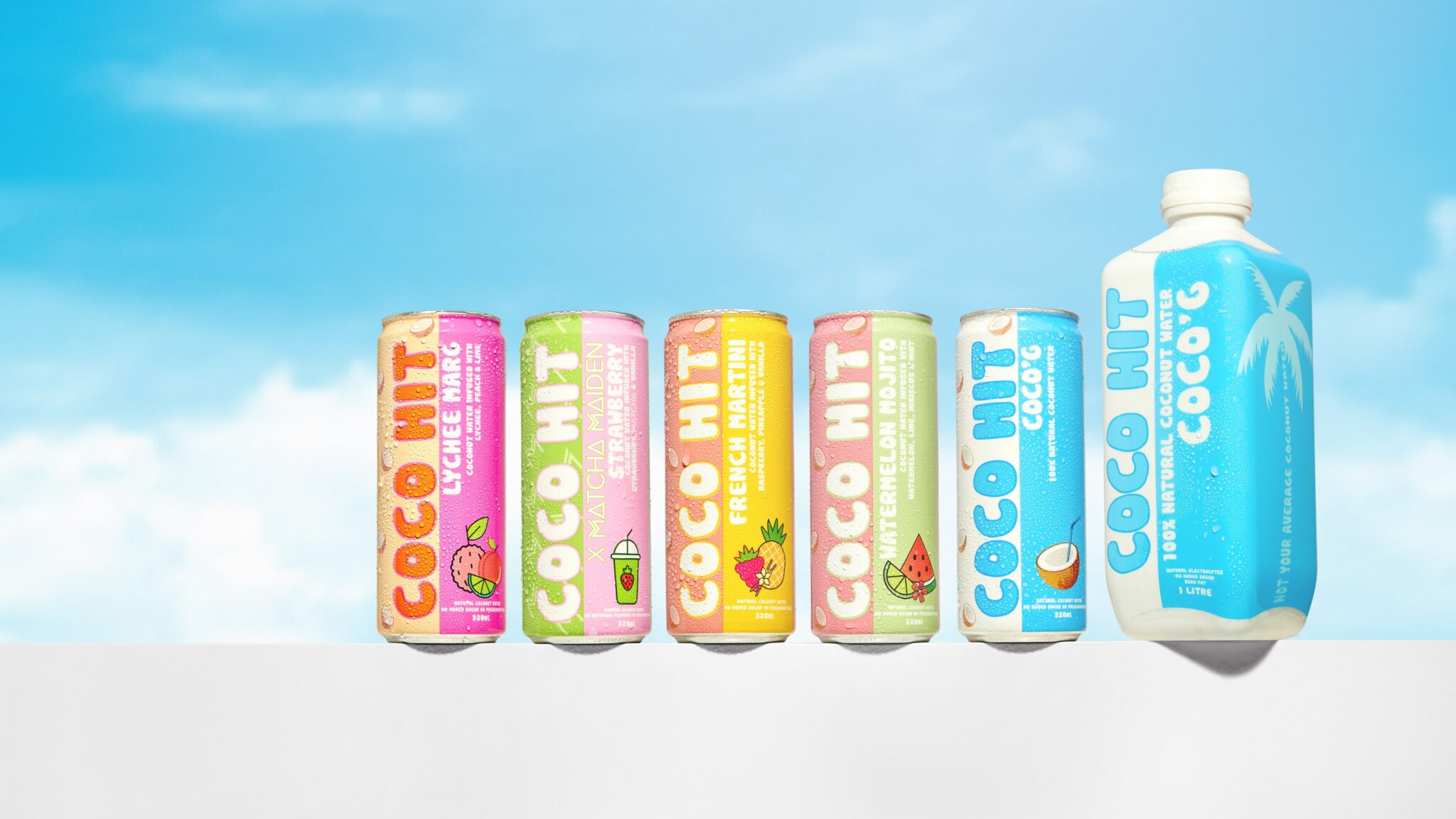
The result was a range inspired by classic cocktail flavour profiles; Lychee Marg, Watermelon Mojito and French Martini, without a drop of alcohol in sight; a product that delivered the benefits of coconut water with a flavour experience people actually looked forward to drinking.
Looking back, our lack of FMCG experience may have been one of our greatest strengths. We weren’t constrained by how things had always been done. Instead, we focused on creating a great product, building a memorable brand and executing every detail as well as we could.
Today, COCO HIT is stocked in more than 650 locations across Australia less than a year after launch. Proof that sometimes the best ideas don’t come from industry insiders, but from solving a problem you genuinely care about and refusing to stop until you’ve created something better.
These broader market shifts are opening up the door for new Aussie brands
What happened to us isn’t unique. Some of the most interesting consumer brands emerging in Australia right now were built by founders who couldn’t find something they needed and wanted and decided to make it themselves.
And when it comes to curating a new product, there’s been a genuine shift in what consumers want: they want a product that’s authentic; they can quickly tell the difference between a product built from lived experience and one built from a spreadsheet.
Authenticity doesn’t come from a marketing strategy; consumers are sophisticated enough to sense when a brand genuinely understands their life and when it doesn’t.
For the functional beverage category specifically, this shift is accelerating. Consumers, particularly women, and particularly younger demographics , are making more intentional choices about what they put in their bodies. They want flavour and function, and clean labels they can actually read. They want brands that feel like they were made for them, not just thrown at them.
The gap I found during pregnancy wasn’t niche, it was actually hiding in plain sight – a category that had spent years playing it safe while consumers were quietly desperate for something better.
We launched COCO HIT in September 2025. Now just nine months later we have 650 stockists nationally, partnerships with Matcha Maiden, Greenstreat and SOAK bathhouse, and a brand and product that I’m very proud of.
It all started with a craving I couldn’t satisfy, and the decision to take that seriously.
Sometimes the most valuable market research is the frustration you’ve been living with for months, and the question of why nobody has solved it yet.